
Create a Wallet
Understand the account, network and backup steps before your first transfer.
Open guide →imtoken
A multi-chain wallet, blockchain network and Web3 knowledge hub from imtoken
Understand how assets, network selection, sending and receiving, DApp connections, approvals and wallet security fit together. imtoken brings practical wallet workflows and network knowledge into one clear place.
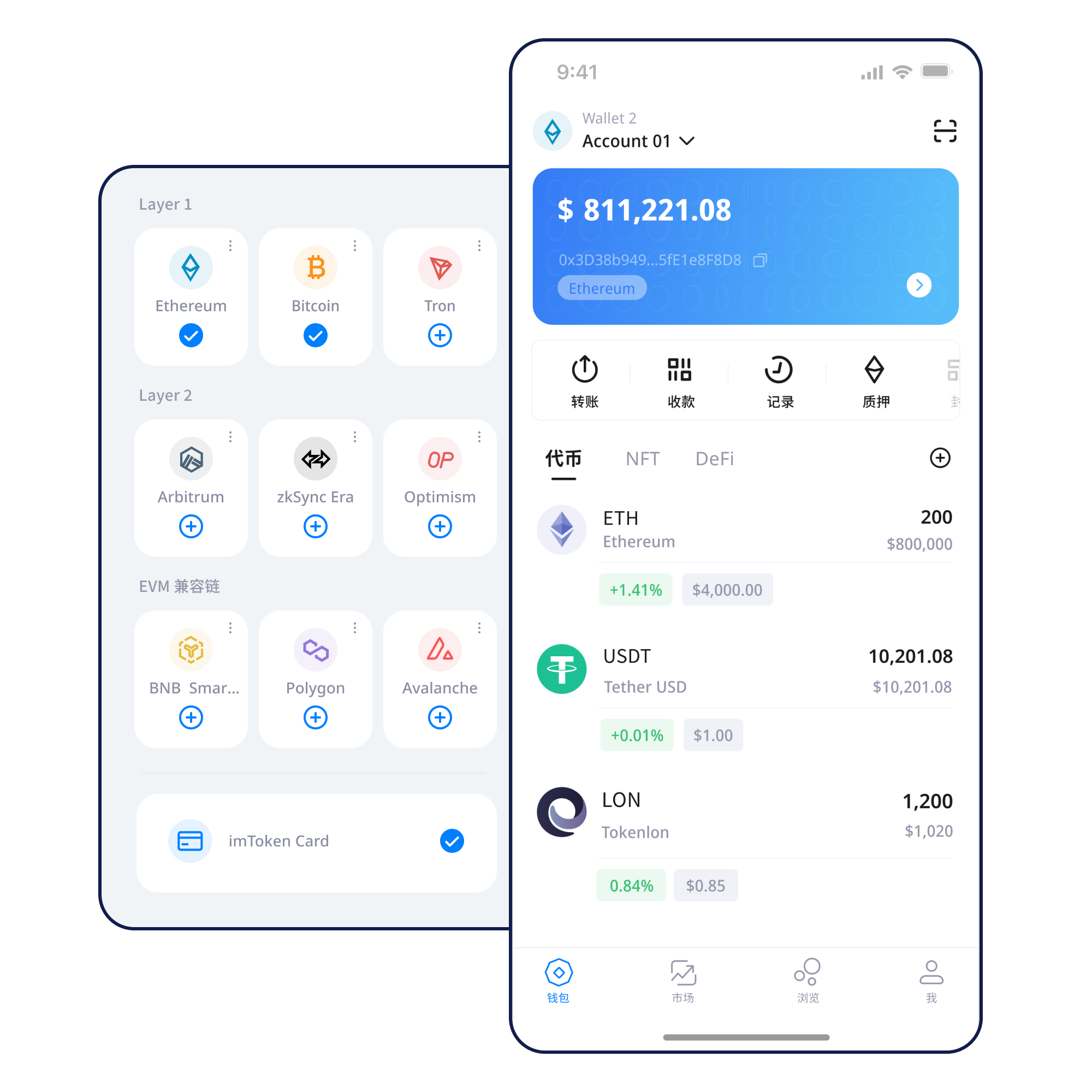
Understand the account, network and backup steps before your first transfer.
Open guide →Keep recovery material offline and never send it to anyone.
Open guide →Verify the receiving address and network before sharing it.
Open guide →Check the destination, network, amount and fee before signing.
Open guide →Verify the domain and review every signature or approval separately.
Open guide →Wallet capabilities
A wallet is most useful when each action can be understood in context: what network is active, what address or contract is involved, and what result will be written on-chain.
Keep network differences visible when viewing balances, receiving assets or reviewing confirmations. Similar-looking addresses do not remove the need to verify the network.
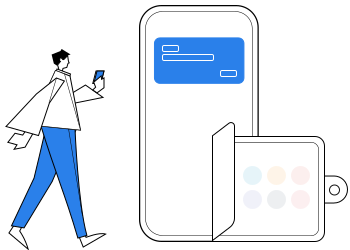
Check the receiving address, network, amount, gas and transaction hash as one continuous flow.
Transfer guide →Use the mobile wallet to review networks, assets, activity and DApp requests while keeping sensitive recovery material private.
Browser connections make DApp access convenient, but each signature and approval remains a separate decision. Offline backups, private-key protection and approval review should be part of the same routine.
Blockchain networks
Network selection affects fees, confirmation rules, contract compatibility and the path assets take.
Different networks can use different fee assets, token contracts and confirmation rules. Verify the network before you copy an address, send an asset or approve a contract.
Nodes propagate transactions, blocks record ordered state changes, and confirmations provide evidence that a transaction has been included and built upon.
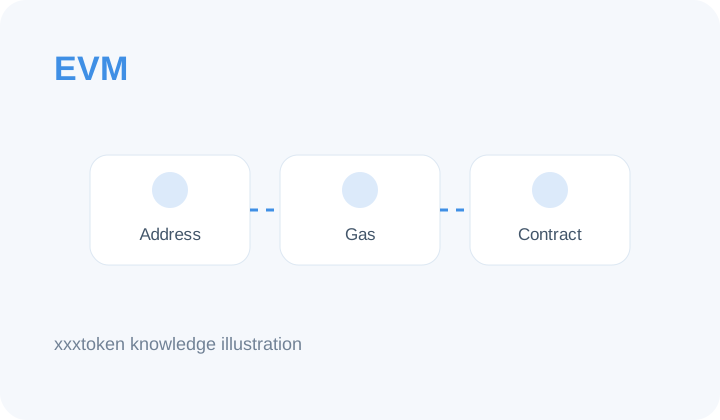
EVM-compatible networks share an execution model, yet gas assets, chain IDs, contract deployments and bridges can differ. Compatibility does not make networks interchangeable.
Layer 2 systems extend transaction capacity with different technical designs. Cross-layer transfers can introduce bridges, separate confirmation states and waiting periods.
Fees reflect network execution rules and demand. A submitted transaction should be tracked by its hash rather than by page messages alone.
Wallet path
Use the official download entry and verify the site before continuing.
Understand what recovery material controls and keep it private.
Store the seed phrase offline and never disclose a private key.
Verify the active network before receiving, sending or connecting.
Check the address, network, amount and gas before confirmation.
Keep transaction hashes and remove permissions you no longer need.
Web3 & DApp
Connecting a wallet does not mean every later signature or approval should be accepted. Review the domain, account request, signature content and permission scope one by one.
Confirm the domain and source.
Choose the intended account and network.
Understand what information is being requested.
Read the request and permission scope.
Confirm only when details match your intent.
Remove connections and unneeded approvals.
Security
Seed phrases and private keys remain under the user’s control. imtoken staff will never ask for them. Before transfers, signatures or approvals, verify the network, destination and request scope. On-chain transactions usually cannot be reversed by a wallet unilaterally, and third-party DApps or smart contracts may introduce additional risk.
Open Security Center →
Academy
Start with the relationship between addresses, seed phrases, private keys and networks. Then learn how gas, transaction hashes, DApps and approvals change the meaning of each wallet action.
Read the starter guide →Ethereum · PoS
Ethereum PoS uses validators to perform consensus duties. Rewards come from protocol-defined activity and can change with network conditions. Withdrawal and exit processes can involve queues or waiting.
Learn staking basics →Validators can be penalized, smart contracts can contain technical risk, third-party services can fail, exits may be delayed, and digital-asset prices can move substantially. Staking does not guarantee returns.
Understand validators →Updates
Review changes to wallet workflows and supported experiences through official notices.
Check network status and confirmation behavior before time-sensitive transfers.
Remove permissions you no longer need and re-check unfamiliar contracts.
Use FAQ and self-service checks before taking further action.
FAQ
A digital wallet manages blockchain accounts and signing operations. Assets live on the network; the wallet controls the keys used to authorize actions for an address.
A seed phrase can derive keys and addresses, while a private key represents direct control over a specific account. Both are highly sensitive.
Similar addresses can exist across different networks, while token standards, fee assets and settlement paths may differ.
Gas represents the computational cost of executing a transaction or smart-contract operation. Actual fees depend on network rules and congestion.
A transaction hash identifies an on-chain transaction and can be used in a block explorer to check status, block height and confirmations.
Network congestion, fee settings, propagation or the network’s block-production state can all affect confirmation time.
A connection commonly shares permitted account context, but any later signature, transaction or approval request still needs separate review.
imtoken
Use the official download entry. Before any on-chain action, keep your recovery material private and verify the network, address and request details.